Engineering’s skills shortage is often discussed as a recruitment problem. More apprentices, more graduates and more people entering technical careers are unquestionably needed, but recruitment alone will not close the capability gap facing many organisations.
Businesses also have to retain experienced people, transfer knowledge before it leaves the organisation, develop the workforce they already have and develop environments in which scarce technical talent wants to stay. In other words, the challenge is not simply getting people through the door. It is building and maintaining capability over time.
Melissa Sabella of The Honeycomb Works offers a useful way to think about retention. Her advice to an organisation struggling to keep its workforce is to approach the issue like an engineering problem: examine the evidence, understand where the system is failing, identify what already works, then test interventions and measure the difference they make.
That mindset is surprisingly rare in workforce discussions. Engineering businesses routinely use data to diagnose quality problems, improve processes, and investigate failures, yet people issues are often addressed through broad initiatives that lack the same level of diagnosis. Attrition can have different causes in different teams. A graduate leaving because they cannot see a development path is not the same problem as a senior engineer leaving because management behaviour has deteriorated, or an experienced technician retiring without a succession plan.
Sabella also argues that organisations tackling difficult global problems will need diverse groups of people who feel able to challenge one another, share ideas and take risks. That makes culture part of engineering capability. A company can recruit exceptional technical specialists and still fail to benefit fully from them if ideas are suppressed, teams work in silos, or people do not feel safe raising concerns.
The supply of new talent remains equally important. Alexia Williams MBE of Rolls-Royce identifies apprenticeships and early-career programmes as a major opportunity, but also stresses the need to explain how broad engineering actually is. For young people and their parents, engineering can still be associated with a narrow set of jobs, even though the sector now spans software, materials, sustainability, manufacturing, data, design, electronics, and countless other disciplines.
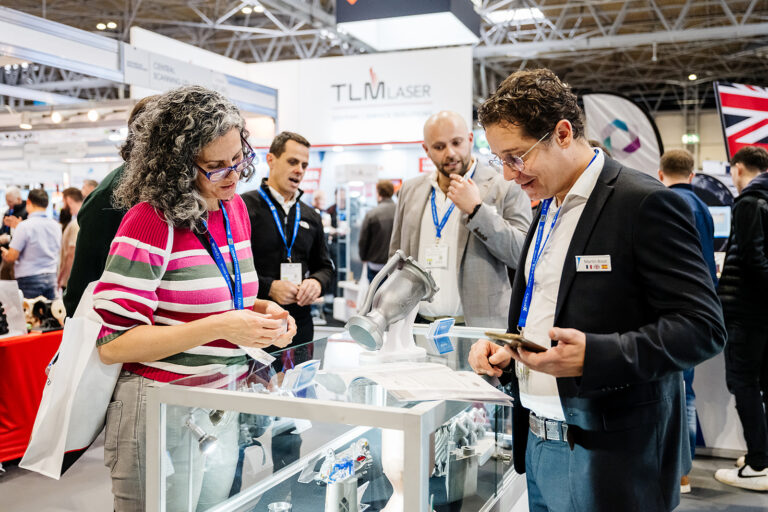
That visibility gap is clear in the experience of student Isabel Murphy, who describes engineering events as a way to discover companies and career routes that may not be visible at school or university. Exposure matters. It is difficult for a young person to aspire to a role they have never encountered.
Employers also need to look inward. Chris Rooum of MTC Training highlights the value of understanding skills gaps directly from organisations and of developing both existing staff and new entrants. Upskilling is not a secondary option used when recruiting fails. In fast-changing areas such as digital manufacturing, automation and electrification, it is a core part of sustaining competitiveness.
Laura Giddings of Enginuity makes the point simply: skills are “a necessity,” not another industry buzzword. That includes technical competence, creativity, problem-solving, and the ability to work across disciplines as engineering becomes more connected.
There is no single intervention that will solve the engineering skills shortage. The organisations that make the most progress will be those that understand precisely where their capabilities are at risk and respond with the same discipline they would apply to any other critical engineering problem.
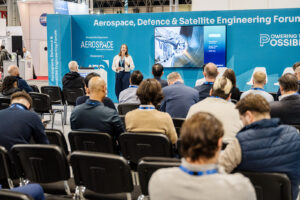
The People and Skills track at Advanced Engineering 2026 will bring together employers, educators, training organisations, early-career engineers and industry leaders to examine recruitment, apprenticeships, retention, CPD, leadership, knowledge transfer and workforce development. The strongest solutions are likely to come from treating those issues as connected rather than separate.
Advanced Engineering takes place at the NEC Birmingham on 4-5 November 2026.
 Skip to content