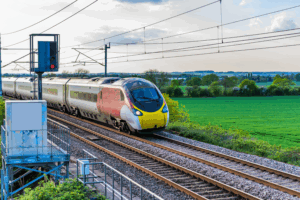
Airline efficiency could cut emissions by 50–75 per cent
Operating only the most fuel-efficient aircraft, removing premium-class seating to carry more passengers, and raising passenger loads could reduce global aviation emissions by 50-75 per cent.
Sustainability gains are throughout the design process and supply chain. Our technology will help businesses engineer and bring to market optimised solutions quicker with a reduction in physical testing and prototype parts manufacture. Orders of magnitude faster (near real time) simulation more closely correlated with the real world, and machine learning based design optimisation will facilitate quicker design iteration and analysis, reduced physical testing requirements and HPC energy consumption, whether that be more aerodynamically efficient vehicles (land, air and sea), or optimised component designs hidden from sight delivering game-changing improvements in performance and subsequent reductions in energy consumption.
Our approach to simulation and design optimisation is unique. We are going beyond techniques used by companies ‘accelerating’ simulation or interpolating from ‘big data’ models trained on large datasets. We will help UK business gain competitive advantage in delivering sustainable solutions to market.

Operating only the most fuel-efficient aircraft, removing premium-class seating to carry more passengers, and raising passenger loads could reduce global aviation emissions by 50-75 per cent.

Backed by over £210 million, a new UK Government Cyber Action Plan published today sets out how government will rise to meet the growing range of online threats

Babcock has announced a record intake of early-career talent for 2025, recruiting 500 apprentices and 250 graduates across its UK operations.