Airline efficiency could cut emissions by 50–75 per cent
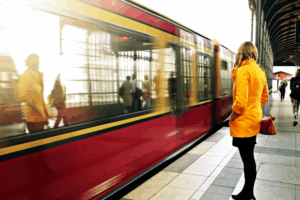
Operating only the most fuel-efficient aircraft, removing premium-class seating to carry more passengers, and raising passenger loads could reduce global aviation emissions by 50-75 per cent.
This 3D-printed bike demonstrates the design flexibility and innovation enabled by advanced additive manufacturing. Utilizing Smart Fusion technology, the bike is produced through decentralized production, offering localized manufacturing possibilities. It is printed using EOS Aluminium AlSi10Mg on the EOS M 400-4 system. The bike is constructed in five separate pieces, all built in a single build job, optimizing production efficiency.
One standout feature is the bike saddle, which offers varying degrees of hardness through interchangeable pads in the seat bump area, enhancing rider comfort and customization.

Operating only the most fuel-efficient aircraft, removing premium-class seating to carry more passengers, and raising passenger loads could reduce global aviation emissions by 50-75 per cent.

Backed by over £210 million, a new UK Government Cyber Action Plan published today sets out how government will rise to meet the growing range of online threats

Babcock has announced a record intake of early-career talent for 2025, recruiting 500 apprentices and 250 graduates across its UK operations.